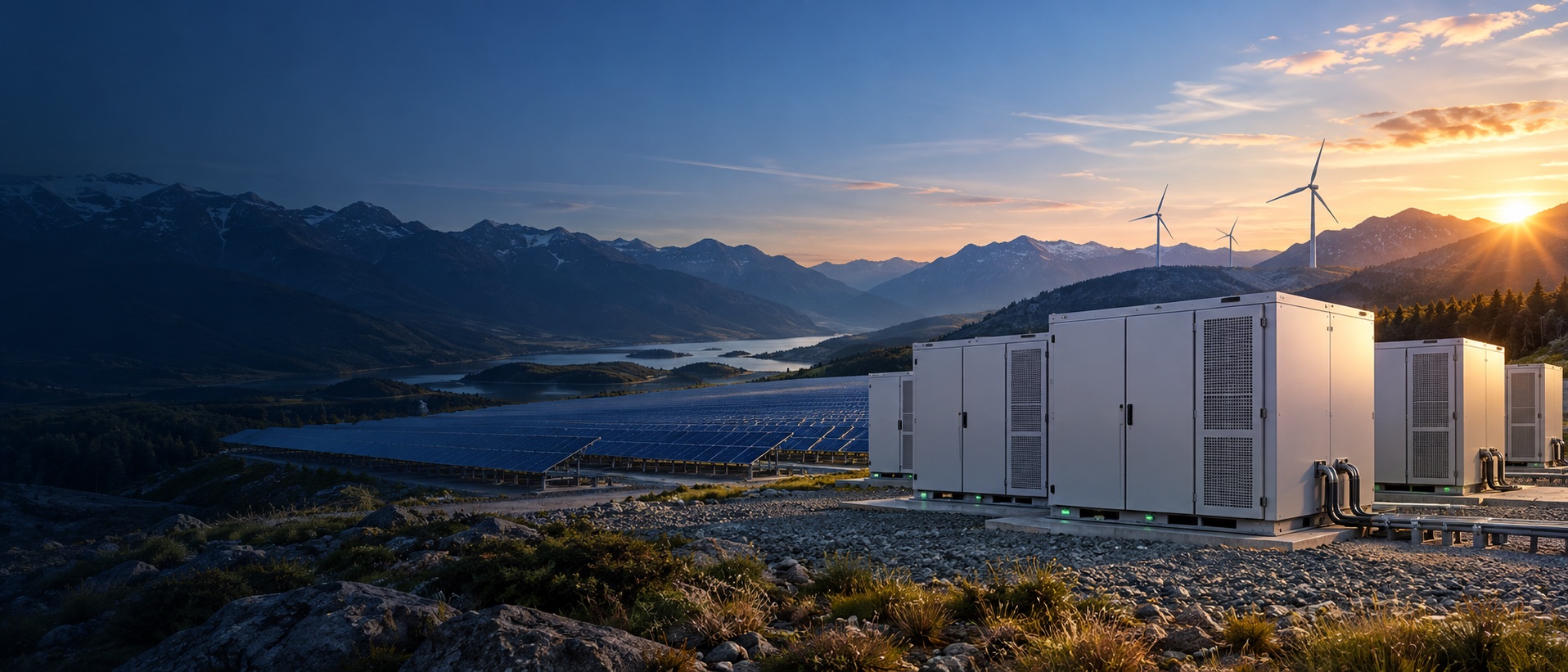
One-stop power
solutions.
Let our long-term partnership begin with getting to know each other.
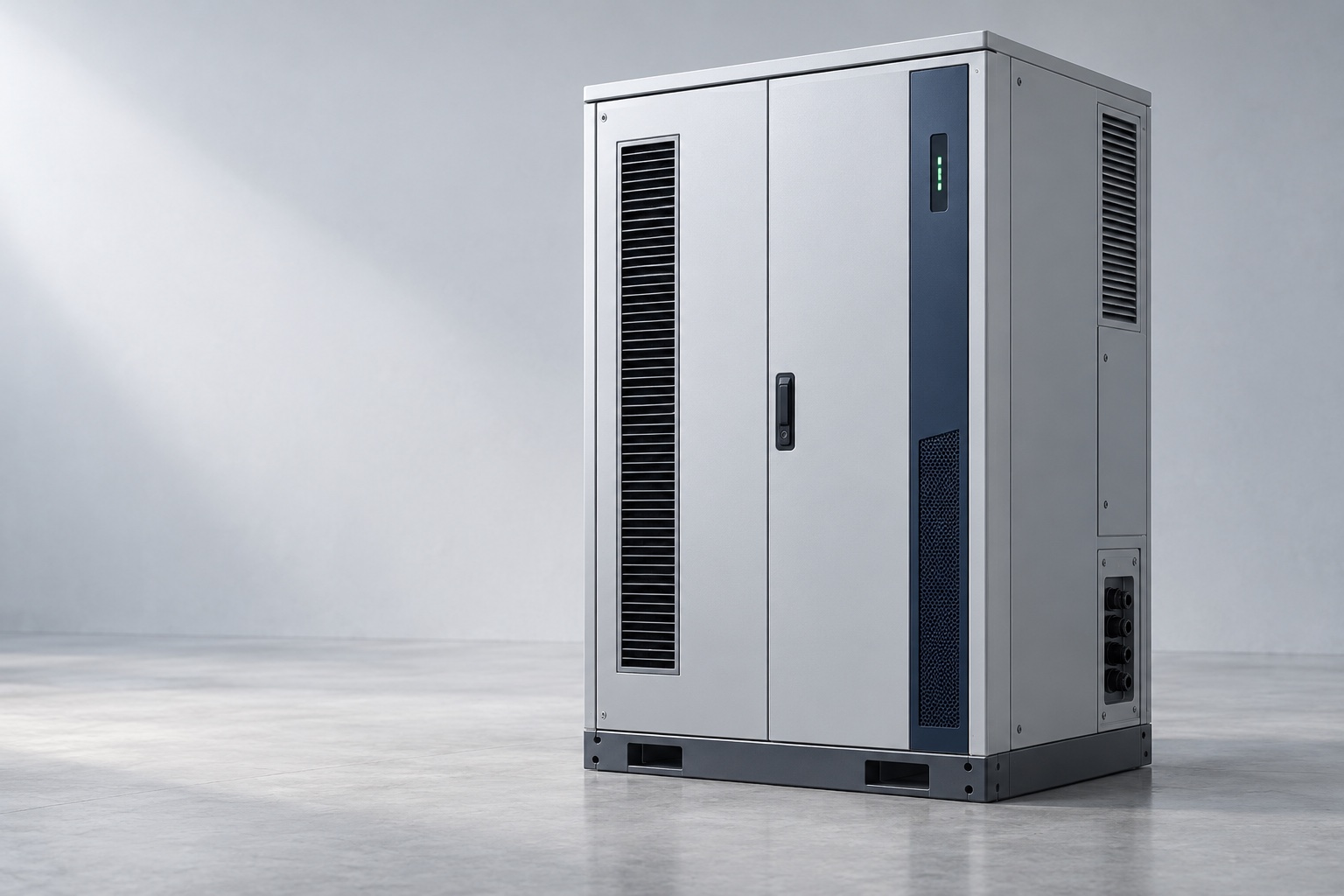
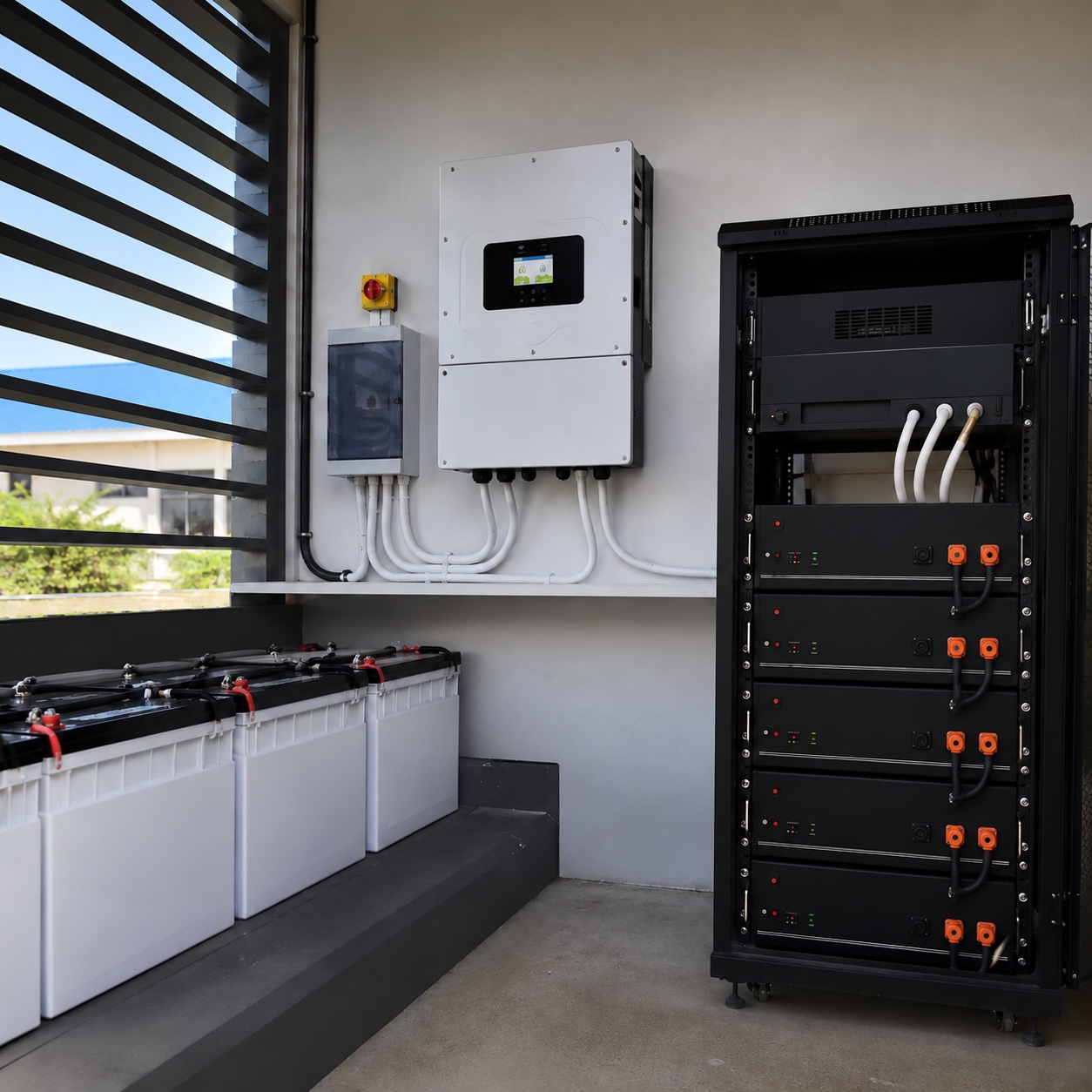
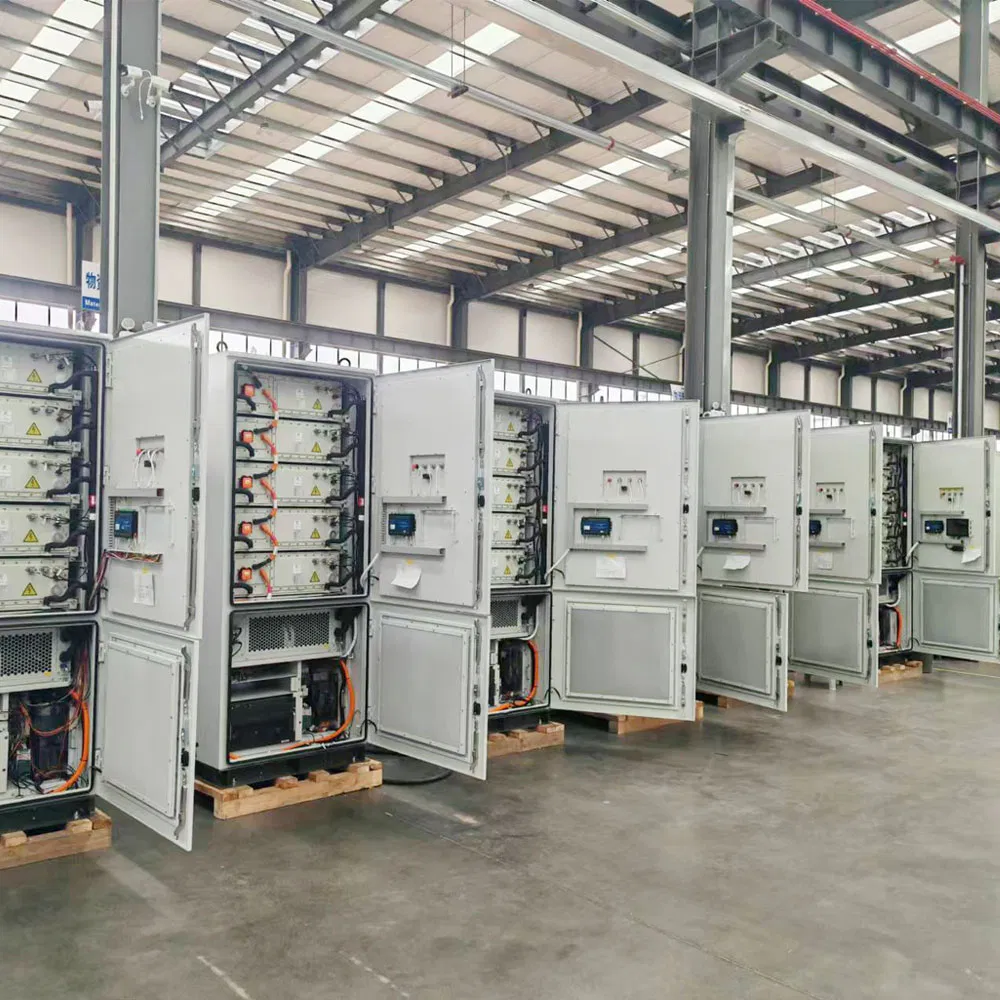
storage
conversion
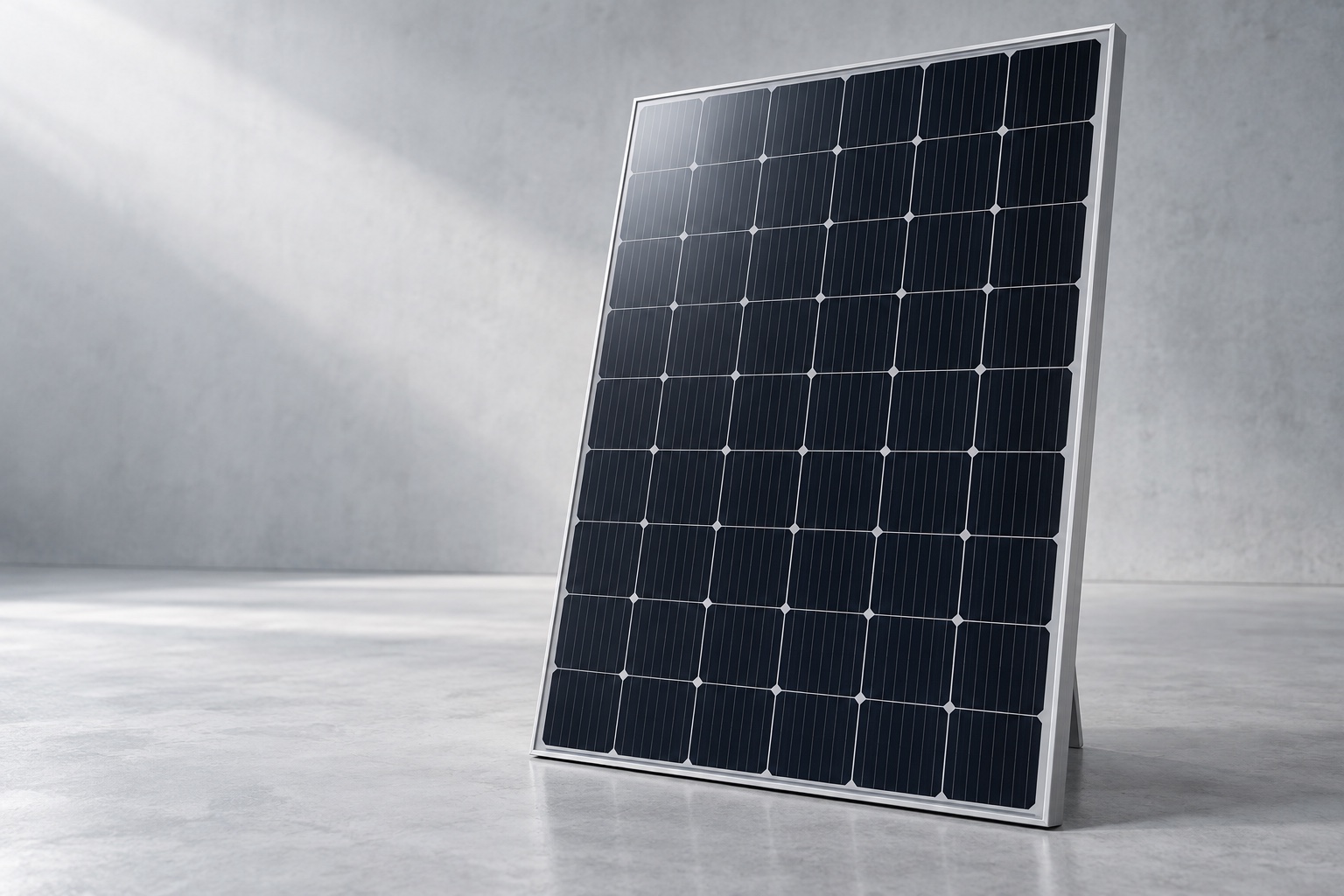
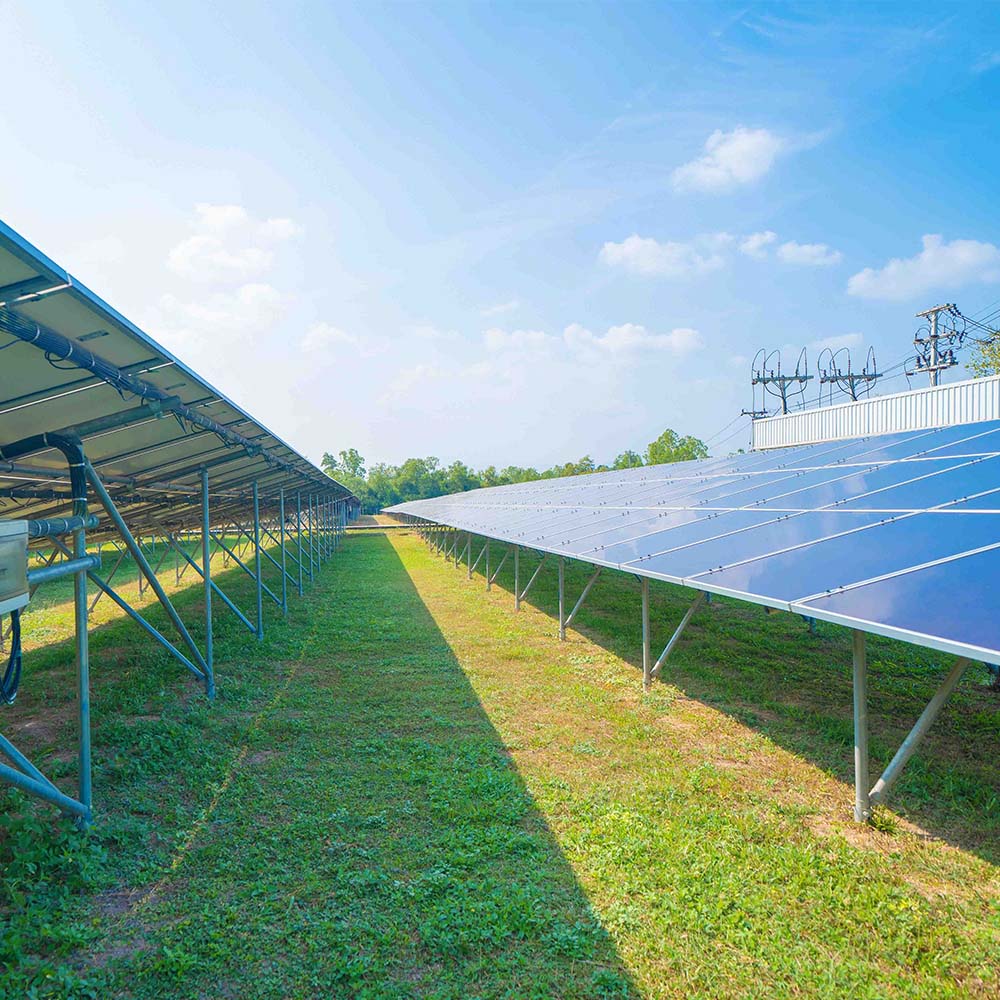
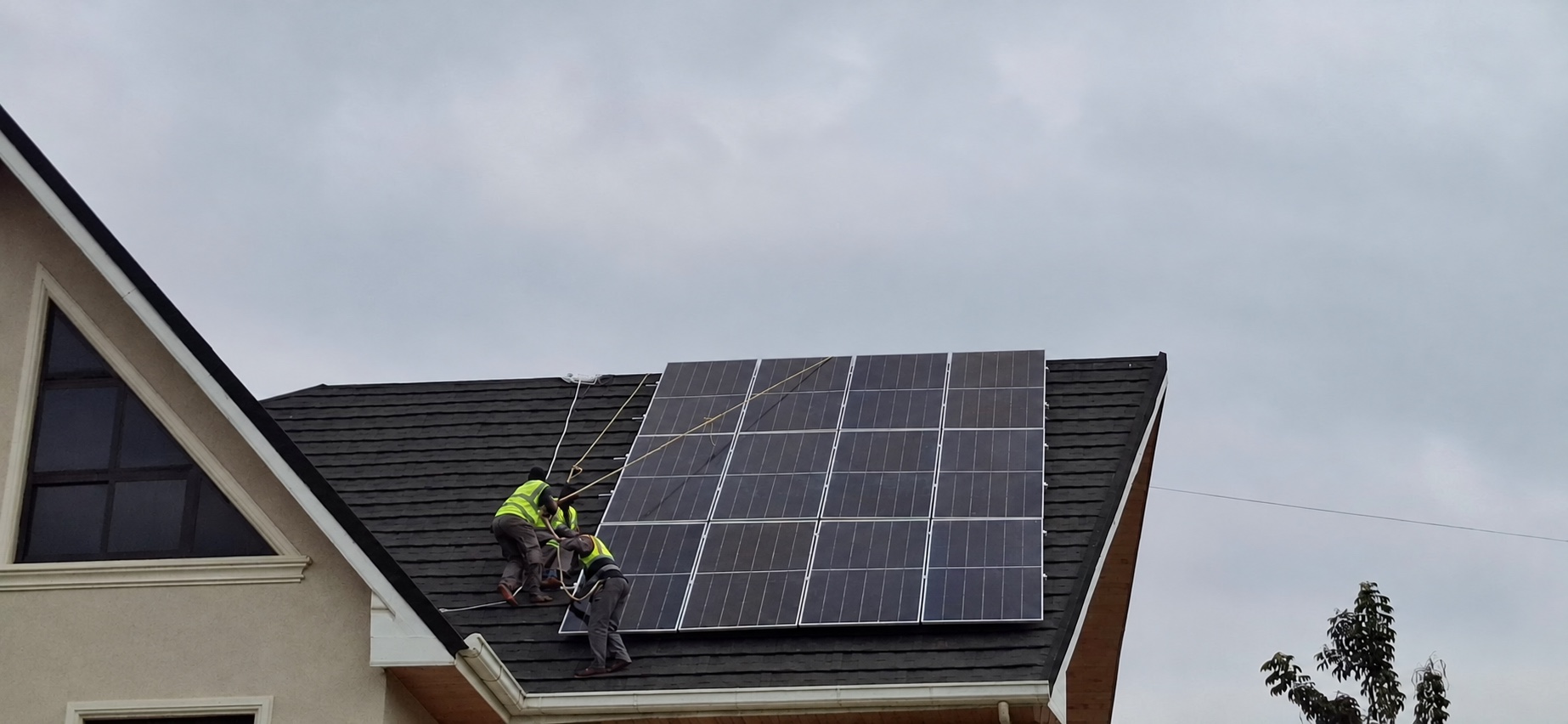
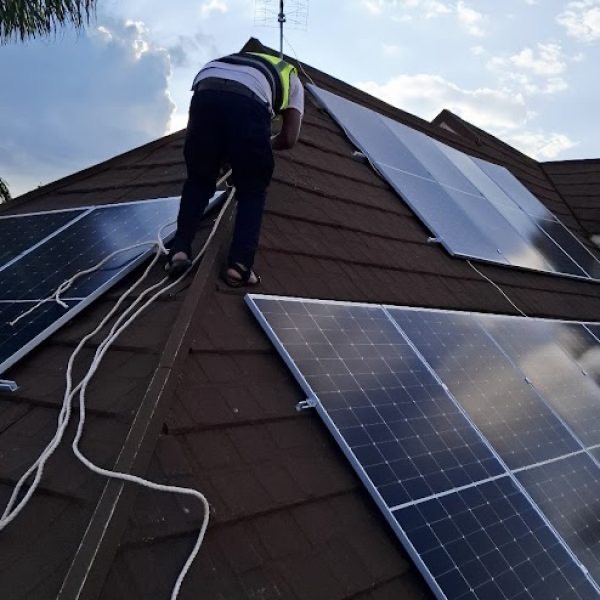
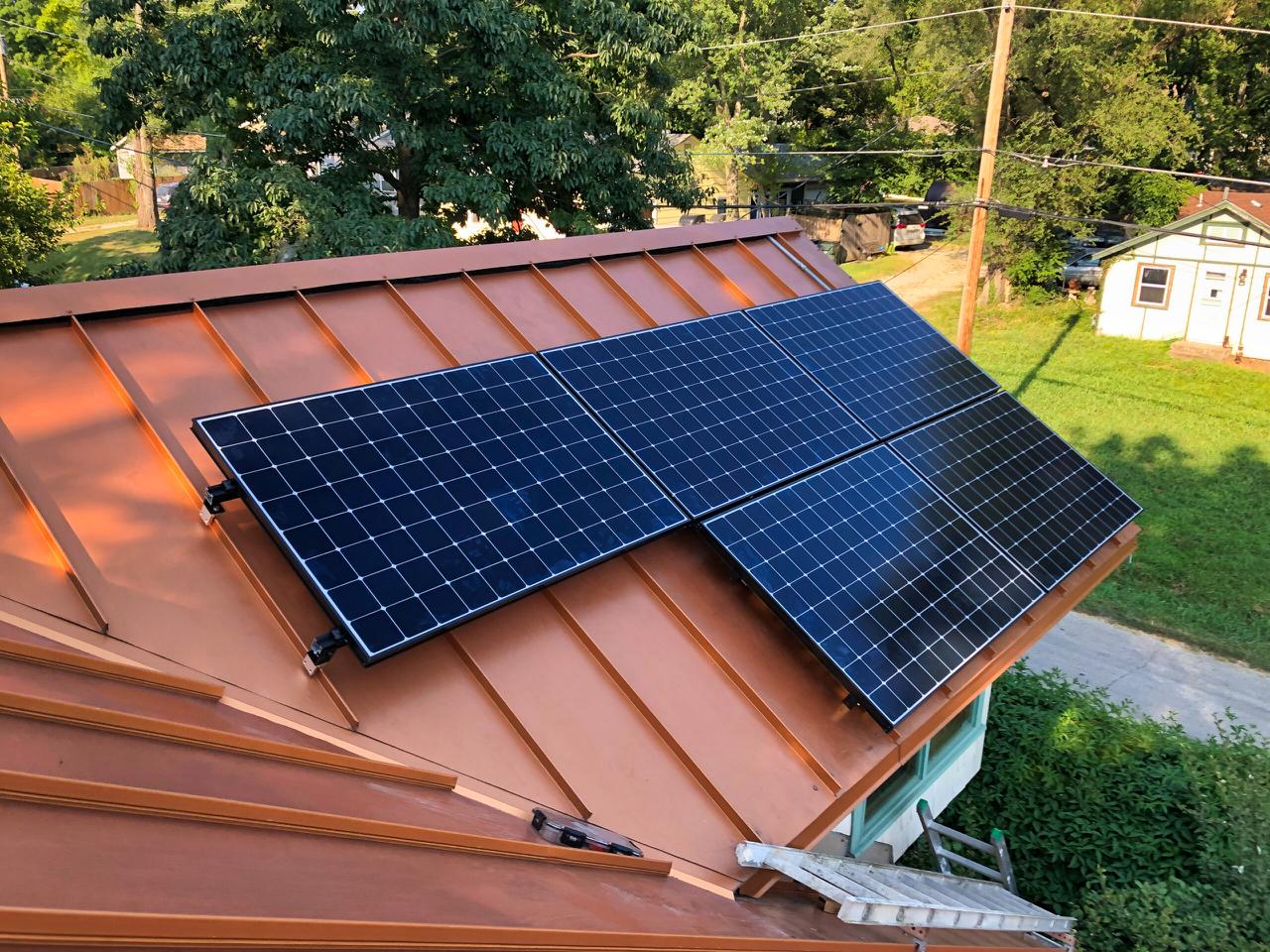
generation
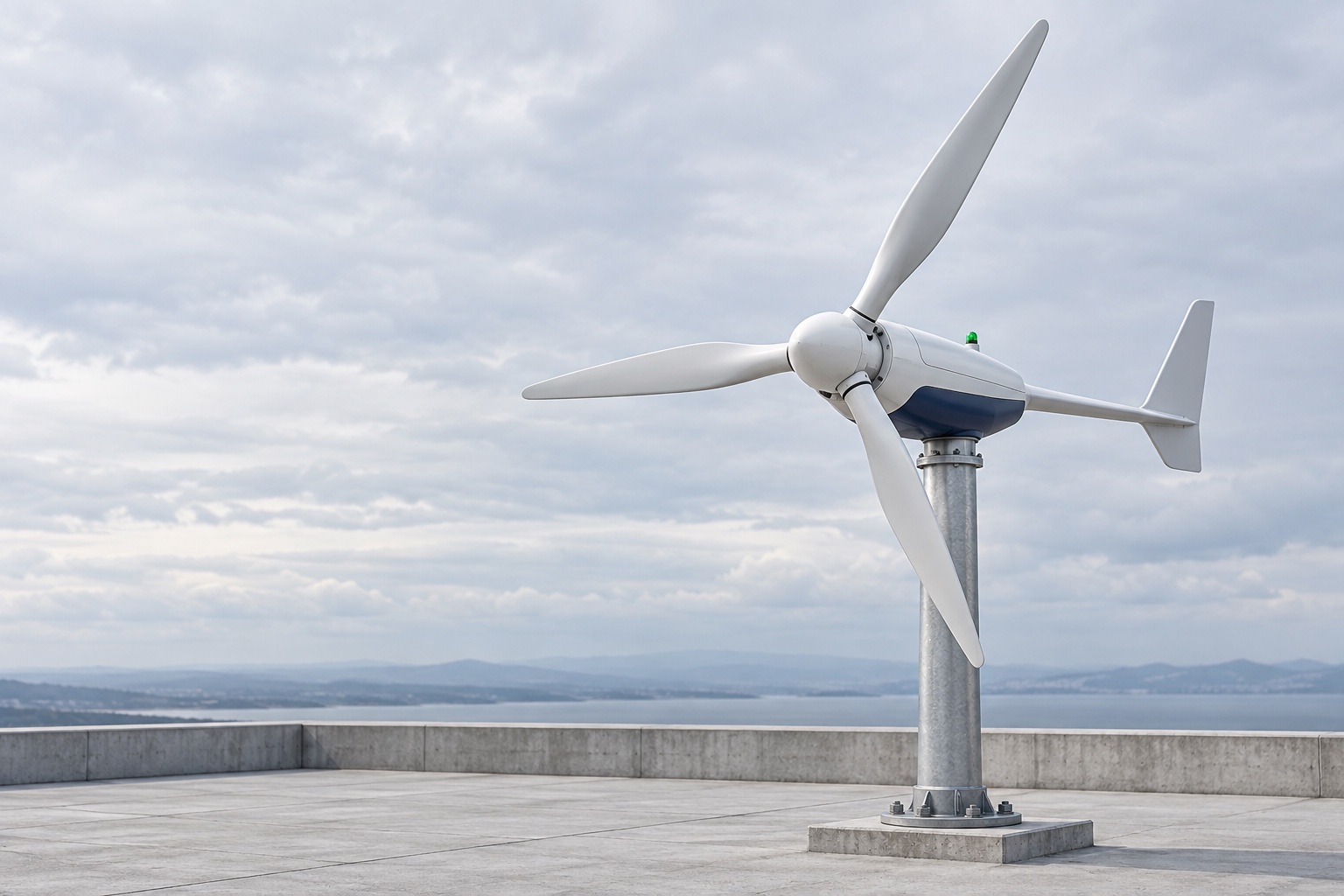
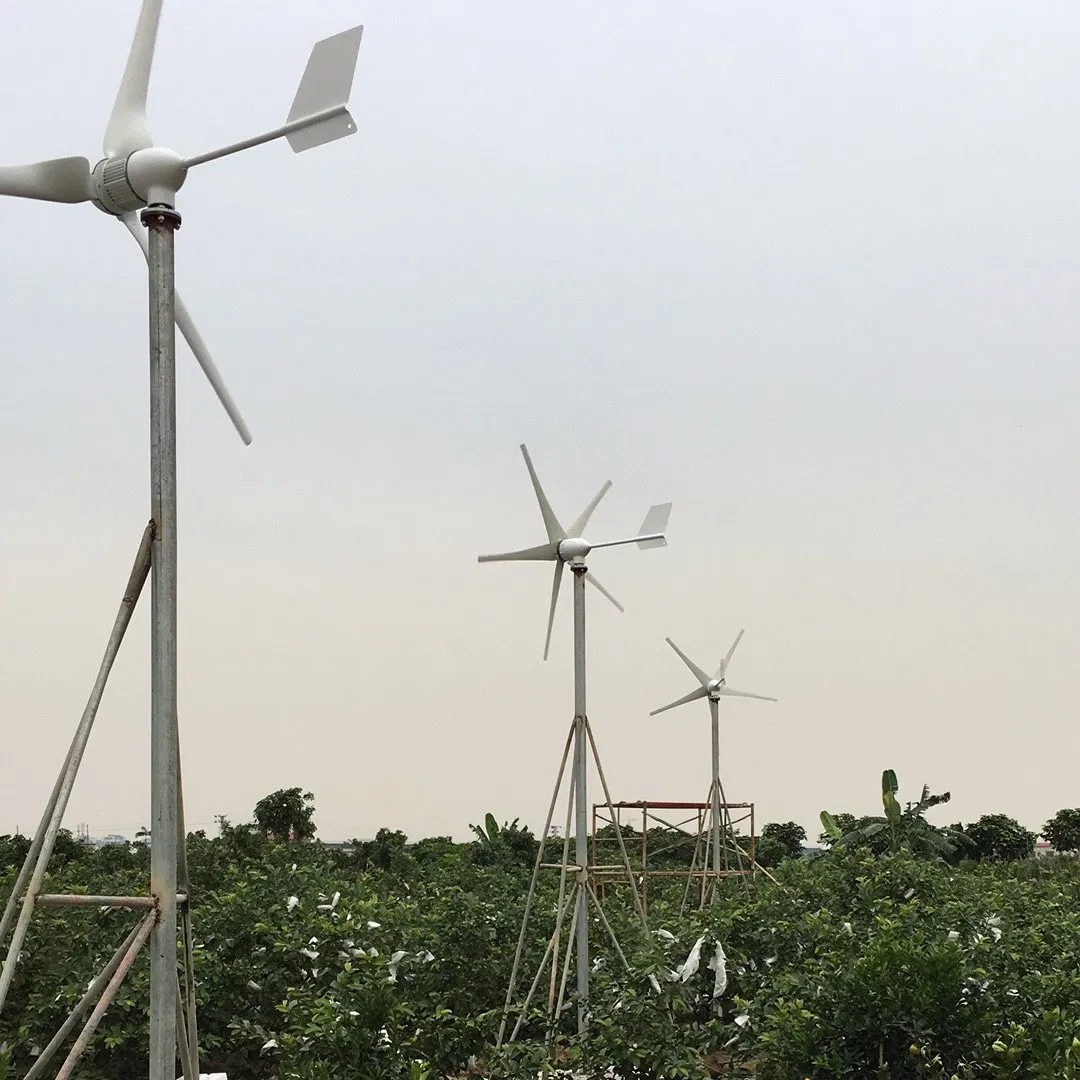
generation
Let our long-term partnership begin with getting to know each other.
Slide 1 of 4: Integrated energy systems
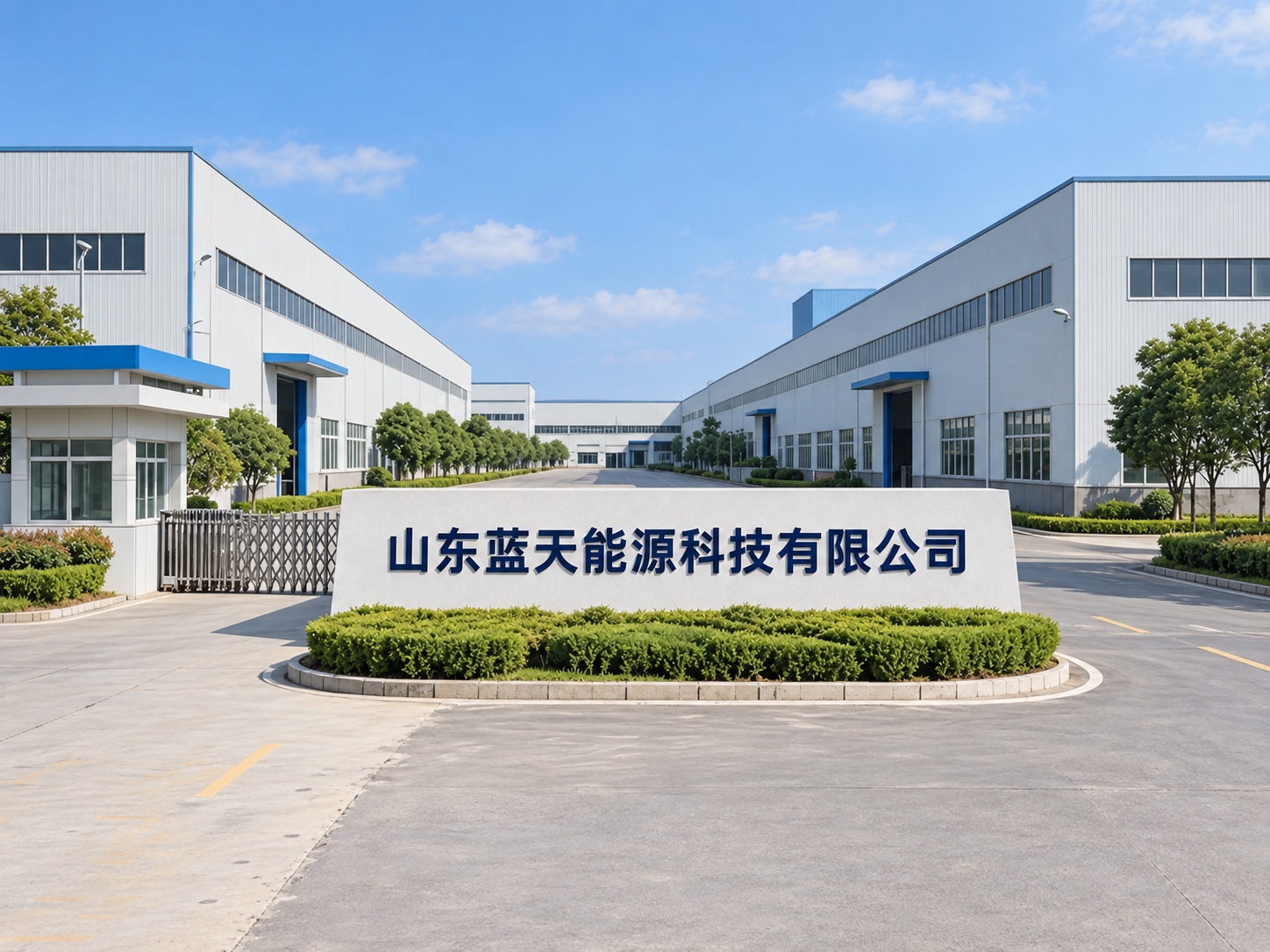
Shandong Lantian Energy Technology Co., Ltd.
Founded in 2017, Shandong Lantian Energy Technology Co., Ltd. brings together energy equipment manufacturing, product supply, and engineering construction to serve customers in China and international markets. With more than 3,000 employees and an expanding overseas presence, we connect manufacturing capabilities with practical project experience to support the development of energy infrastructure.
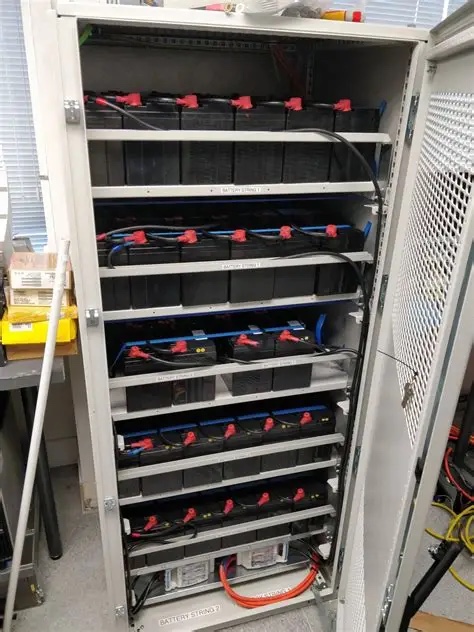
Our product portfolio covers battery energy storage cabinets, inverters, photovoltaic modules, wind power equipment, and related power generation products. These complementary product categories allow us to support projects that bring together energy generation, power conversion, and storage. From individual equipment requirements to broader project cooperation, we work to align our offering with each customer’s application, operating environment, and business objectives.
Our business extends beyond equipment supply. We undertake production, processing, and manufacturing, alongside engineering construction and project execution. Bringing these capabilities together allows us to participate in multiple stages of a project and support coordination between equipment requirements and on-site implementation.
We approach each project with an understanding that successful execution depends on how products, construction activities, and customer requirements fit together. Our focus is on practical solutions, clear communication, and cooperation throughout the scope of work we undertake.
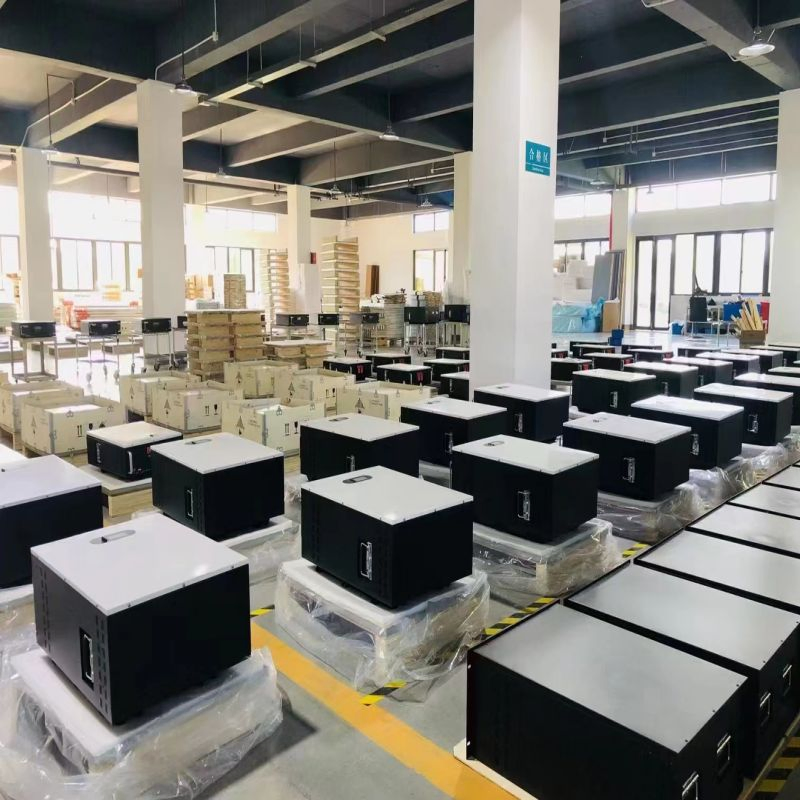
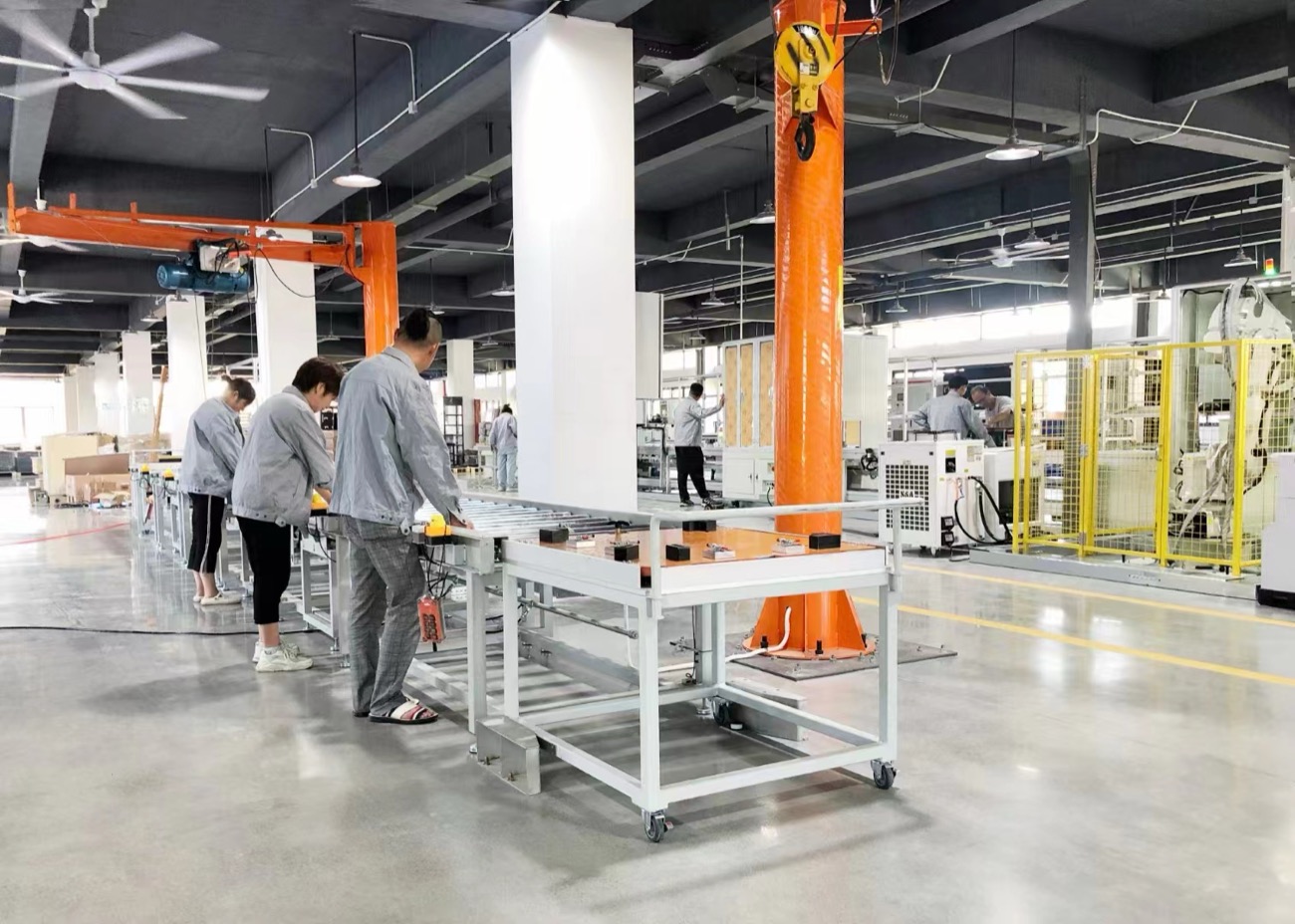
Production, processing & equipment manufacturing
Generation, power conversion & energy storage
Engineering construction & on-site coordination
We have successfully completed construction projects in multiple regions of China and accumulated overseas project experience across Southeast Asia, the Middle East, Central Asia, and Africa. Working across these markets has broadened our understanding of different construction environments, project priorities, and customer expectations.
This experience shapes our approach to international cooperation. We recognize that every market has its own operating conditions, and we place value on understanding local requirements while maintaining a consistent focus on project execution and customer relationships.
With warehouses and branch offices in multiple countries, we have established a physical presence that supports our international operations. This footprint provides a foundation for closer customer communication, regional coordination, and ongoing project cooperation.
As our business develops, our goal is to strengthen the connection between manufacturing resources and the markets we serve, making it easier for customers and partners to work with us across borders.
We believe lasting growth is built through dependable products, responsible project execution, and relationships that continue beyond a single order. We aim to create long-term value by understanding customer needs and bringing together the products, people, and practical capabilities required to support them.
Looking ahead, Shandong Lantian Energy Technology Co., Ltd. is committed to expanding international cooperation and contributing to the development of renewable energy and energy storage infrastructure worldwide.
Every project starts with a different constraint: demand charges, grid instability, limited access or renewable variability. Choose an application to see how the system blocks connect.
Coordinate solar generation and battery storage to shift demand, strengthen backup capability and make on-site energy more predictable.
An outage is more than a power problem. It can interrupt hospital services, put refrigerated stock at risk or stop a production line. Start with the equipment your site needs to keep powered.
Power outages can disrupt lighting, communications and essential support services when continuity matters most.
Coordinate designated essential-circuit backup with the hospital’s electrical team, UPS, generators and transfer design.
When refrigerators and freezers lose power, chilled and frozen stock can be put at risk of spoilage and costly losses.
Prioritize refrigeration circuits and temperature monitoring, with backup sized around starting loads and outage duration.
An unexpected outage can stop production lines, interrupt work in progress and delay customer orders.
Support selected process loads, controls and essential lighting, with a backup strategy matched to the production workflow.
A blackout can interrupt guest services, kitchen refrigeration, lighting and booking or payment systems.
Keep priority guest-service circuits and essential equipment supplied while coordinating with the site’s existing backup system.
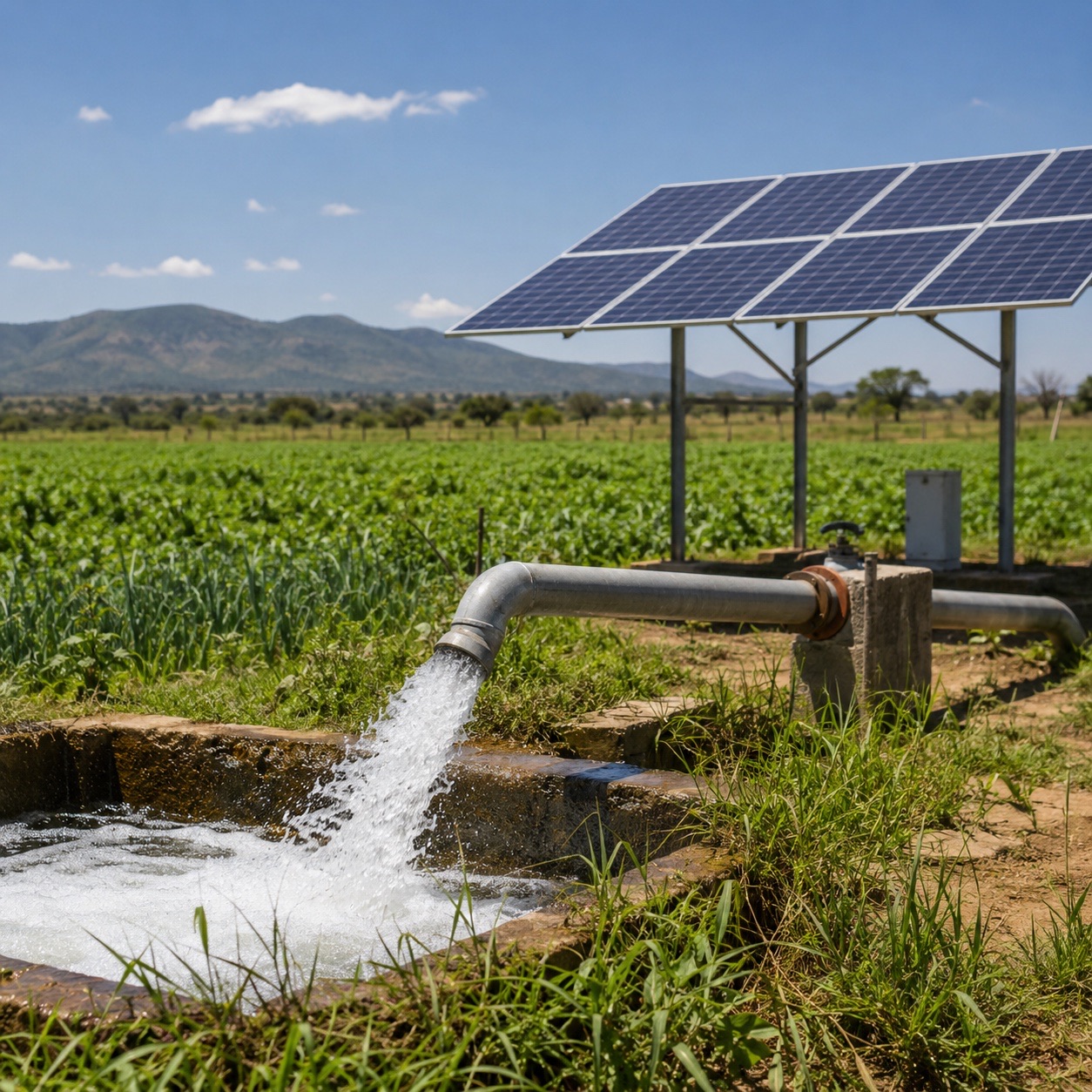
Power interruptions can stop water pumping, irrigation schedules and essential farm refrigeration.
Combine suitable generation and storage around pumping times, motor demand and the farm’s most important loads.
Weak grids or limited grid access can restrict lighting, connectivity, water services and everyday business activity.
Coordinate solar, wind turbines, storage and inverters around local needs, available resources and a practical operating plan.
Every backup system is designed around selected loads, required operating time and site conditions. Transfer performance and supply scope must be confirmed for each project.
From rooftop generation to remote water systems, connect the equipment to what the site needs to keep running. Explore a starting point for your project.

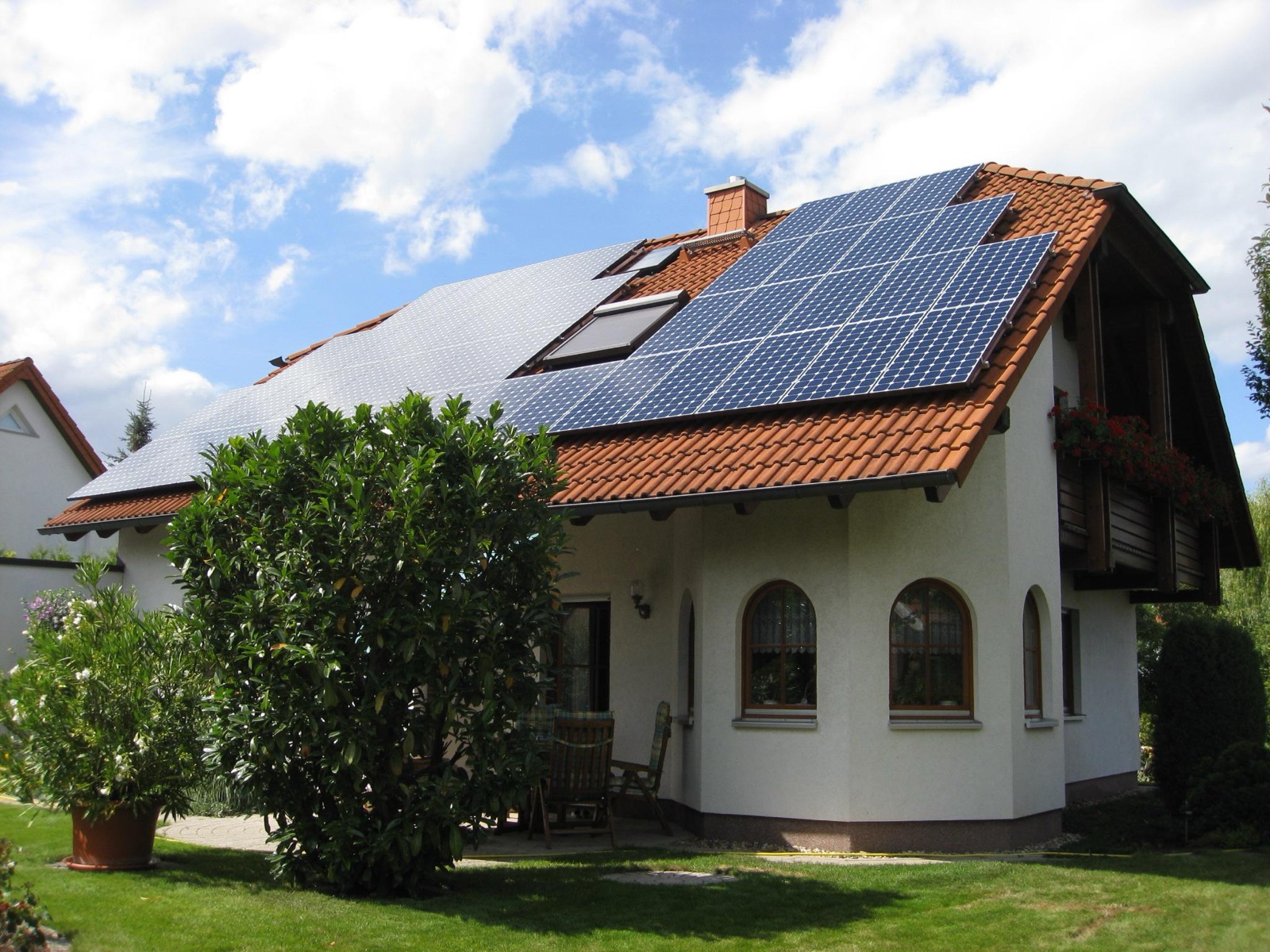
Coordinate rooftop or ground-mount PV, power conversion and storage for self-consumption, peak management and essential-load backup.

Structure solar, wind and storage around irrigation, pumping, cold storage and essential farm loads.

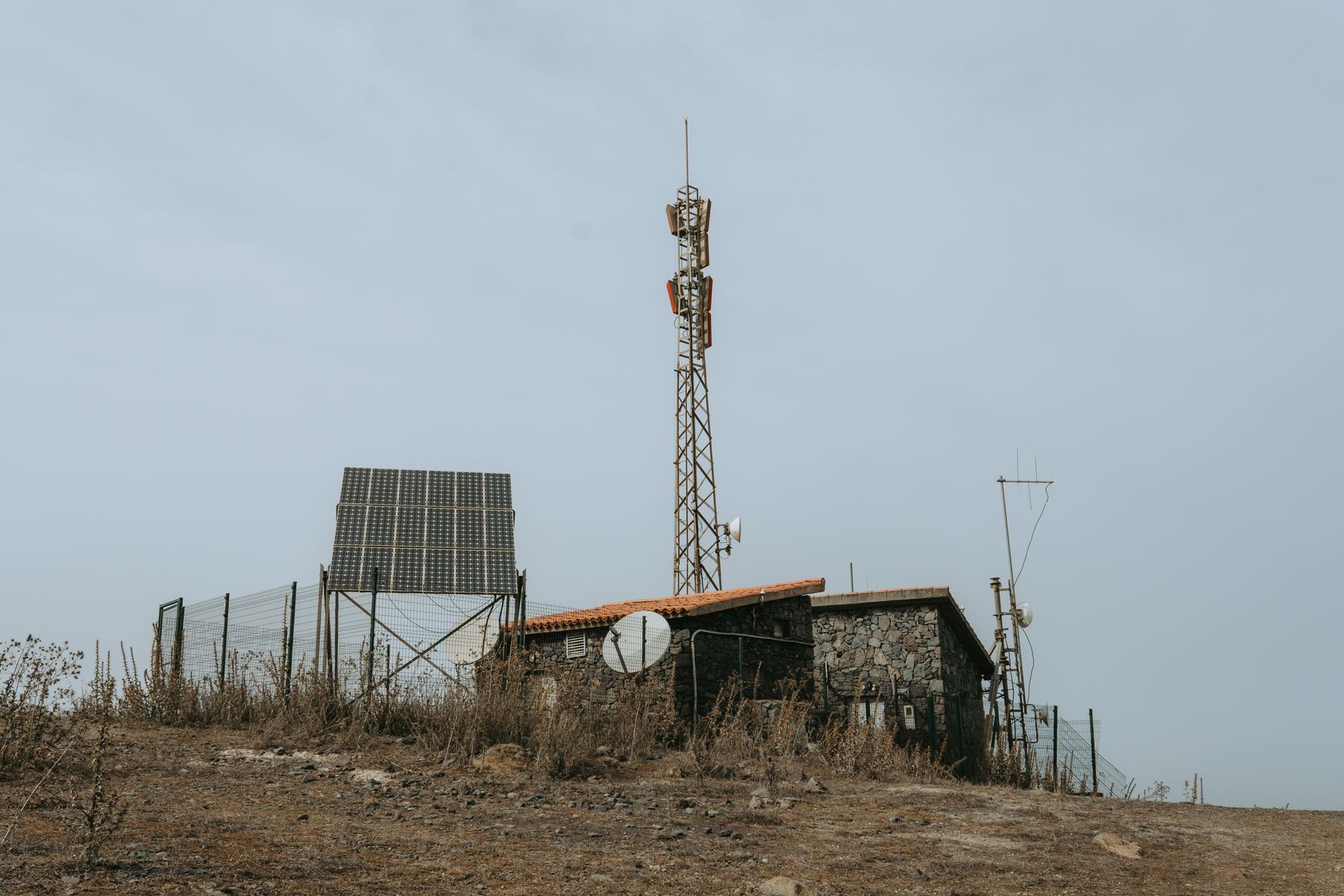
Plan modular generation and storage around continuous communications loads and restricted site access.

Define essential circuits, autonomy targets and transition requirements for healthcare and public infrastructure.

Combine distributed generation and storage for community services, local businesses and rural infrastructure.

Align interfaces, documentation and commercial scope before a model-level quotation is released.
The quality of a power system is shaped by the site around it: roof geometry, water demand, equipment-room access, load priority and the route from generation to use.
Discuss your site conditions
Explore the image collection to see installation environments and equipment details.
The design conversation connects equipment ratings with the electrical, environmental and operating conditions around them.
Operating profile, critical loads, peak demand and autonomy targets.
AC or DC coupling, grid mode, generation mix and expansion path.
Isolation, transfer strategy, interfaces and site-side responsibilities.
Operating logic, monitoring points, protocols and remote visibility.
Temperature, dust, humidity, corrosion exposure and installation type.
Checklists, documentation, training expectations and support boundaries.
A credible supply relationship depends on more than a product photo. The working scope should connect production review, testing, inventory visibility, export documentation and engineering coordination.

A clear order connects the agreed configuration to inspection records, packing identification and shipment documents. Build that visibility into the purchasing conversation from the beginning.
The exact inspection plan depends on the selected equipment and project scope. A clear release path makes the quotation, production review and shipment easier to verify.
Confirm the selected configuration, key components and order documentation.
Align equipment identity, production records and configured options.
Review interfaces, alarms, controls and agreed operating functions.
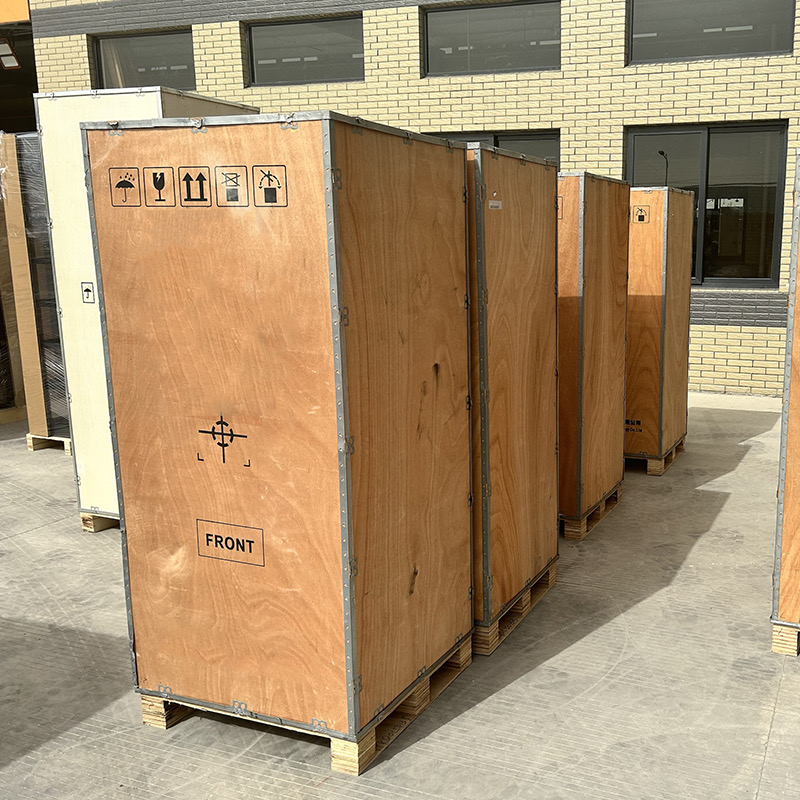
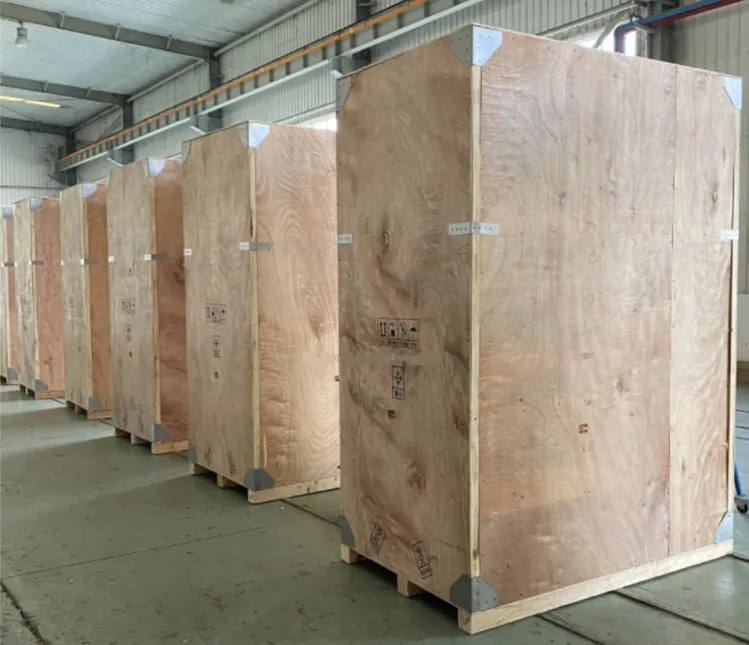
Verify packing condition, accessories, labels and dispatch readiness.
Prepare agreed datasheets, manuals, checklists and commercial documents.
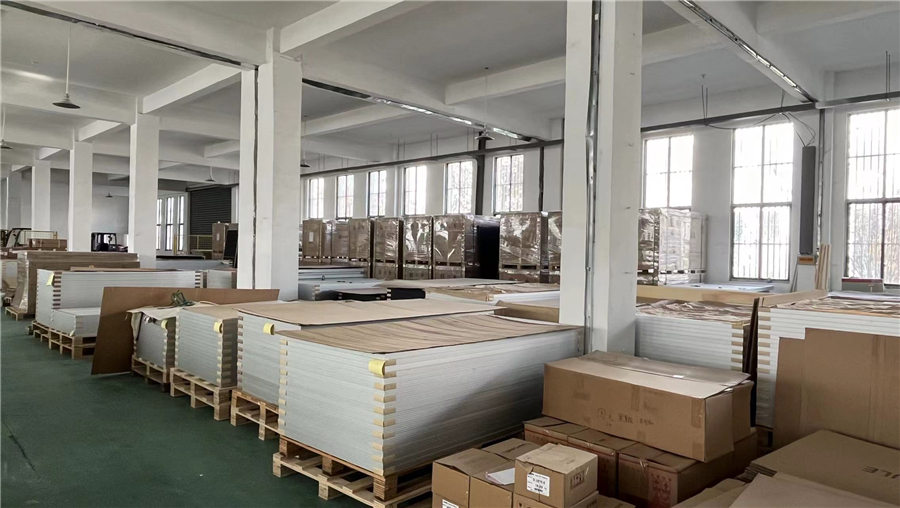
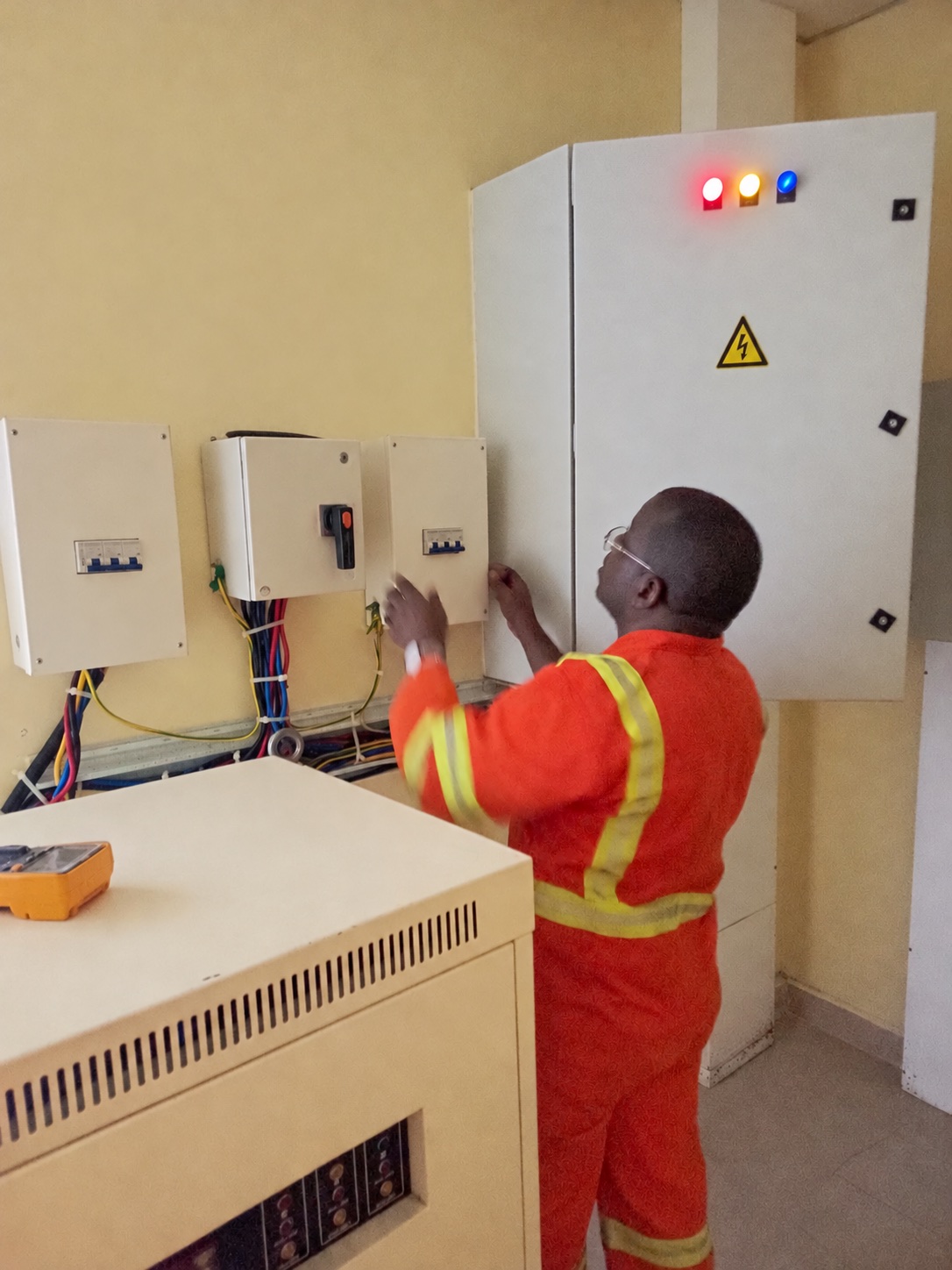
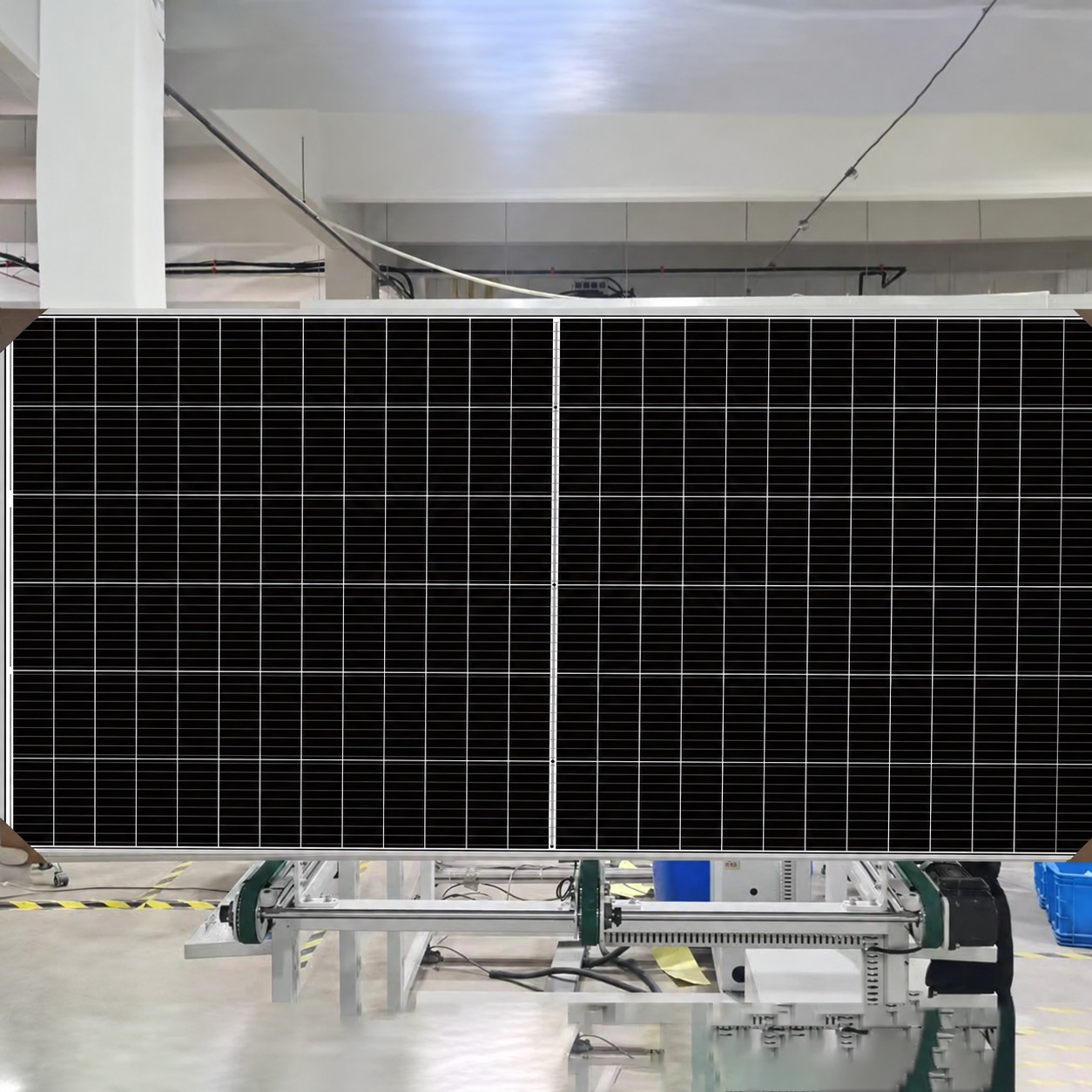
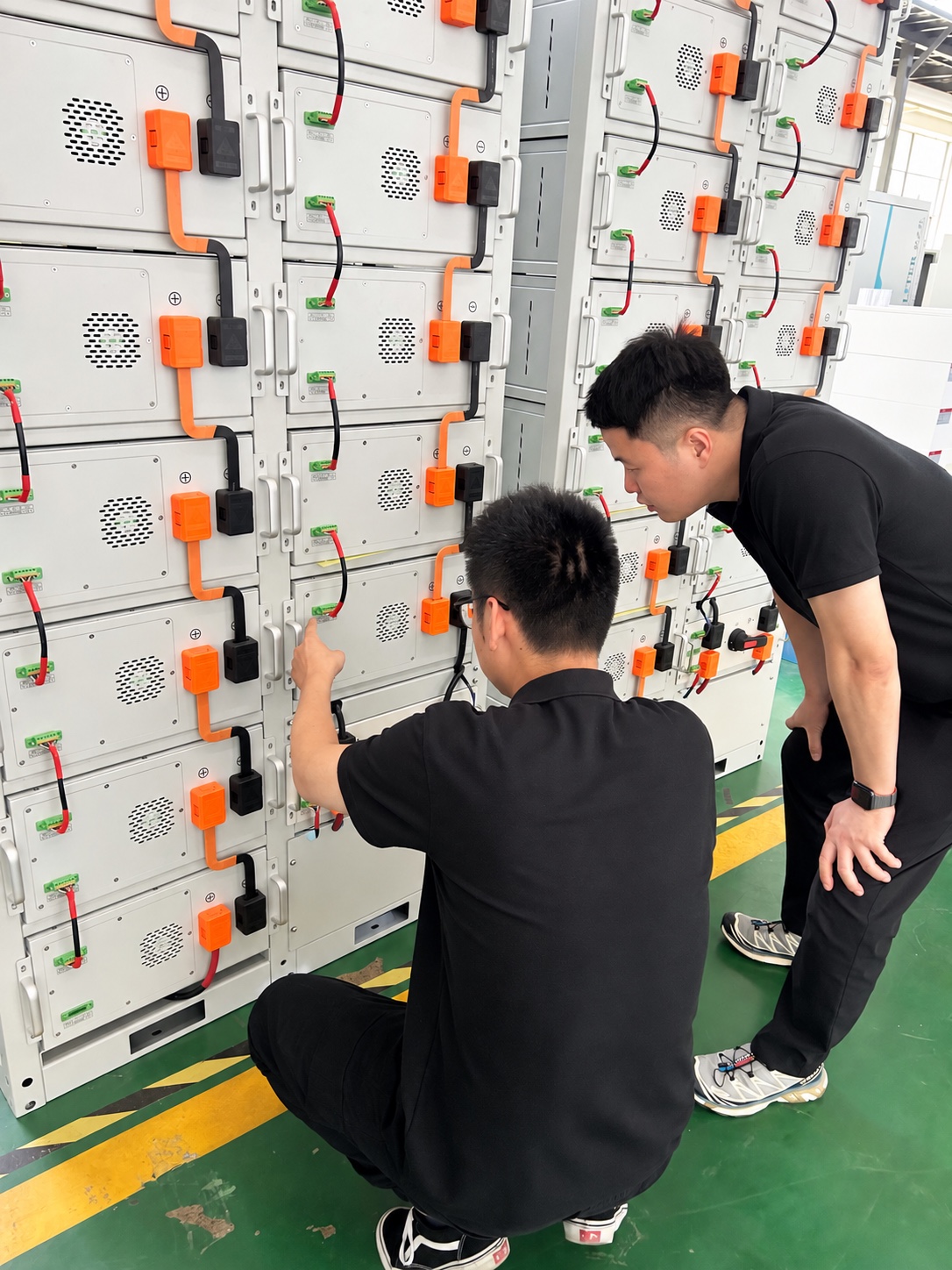
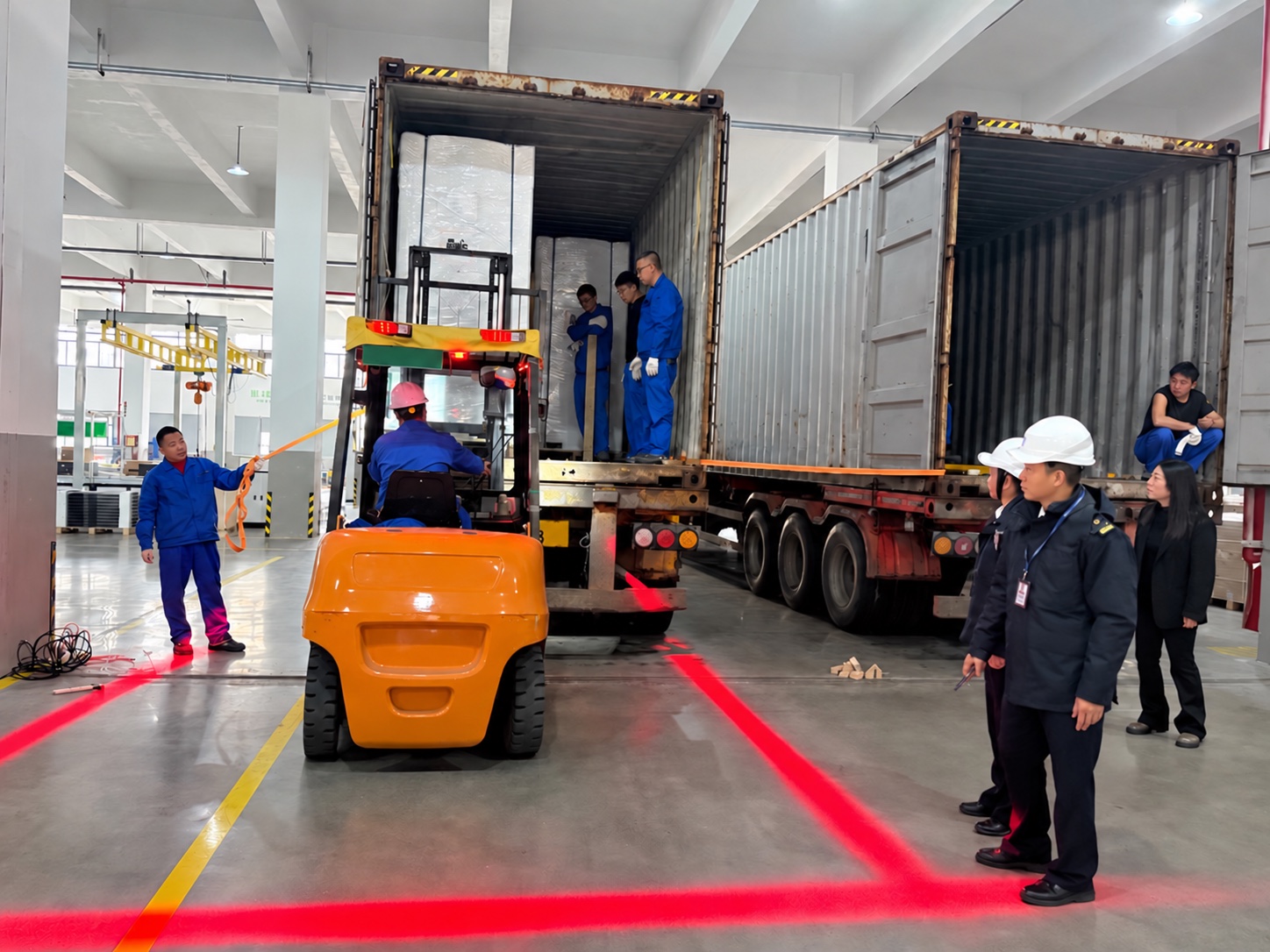
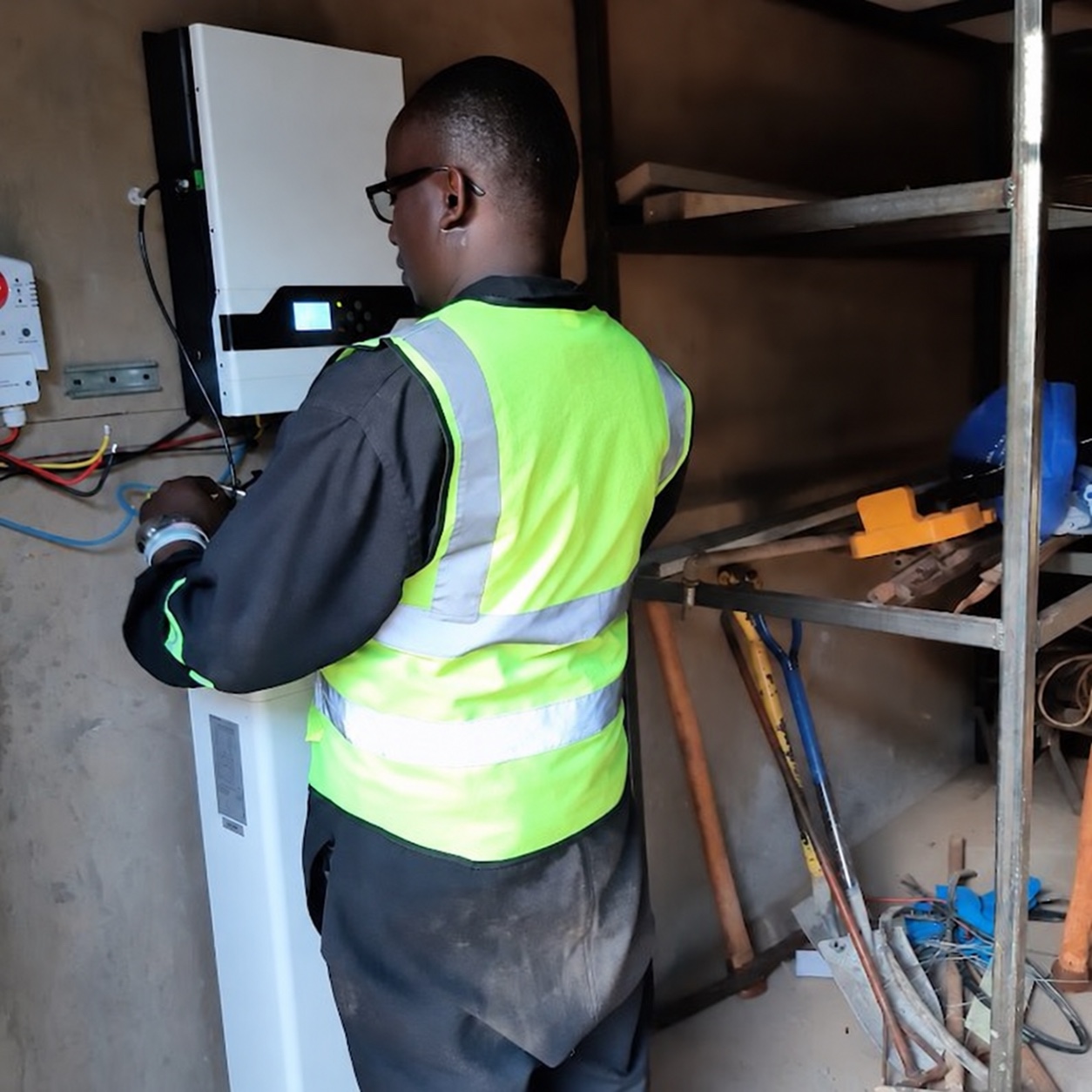
Supplier-reference photography. Inspection methods, records and acceptance requirements are confirmed for the selected equipment. Click any image to explore the collection.
FROM CONFIGURATION TO DESTINATION
Equipment, accessories, documents and handover expectations should travel as one coordinated scope.
Plan an export projectAlign protection, pallet or crate strategy and handling requirements with the equipment.
Define commercial, technical and packing documents before dispatch.
Connect production release, pickup windows and forwarder handover.
Confirm commissioning inputs, training needs and post-delivery contacts.
Share the operating conditions before choosing a model. That makes electrical architecture, protection, packaging and project documentation easier to align.
Talk to us on WhatsAppApplication, location, grid profile, load, target capacity and operating environment.
Generation, conversion, storage, controls, communications and enclosure strategy.
Ratings, interfaces, compliance needs, documentation and commercial terms.
Pre-shipment checks, packing plan, export documents and technical handover.

A good handover carries the installation team, the owner and the equipment forward together. Discuss the support scope alongside the hardware.
Confirm layout, connection points, site responsibilities and the technical files needed by your installer.
Agree startup checks, configuration records, acceptance criteria and handover questions before energization.
Define manuals, operator training topics, monitoring access and the information to keep on site.
Discuss maintenance requirements, service contacts and replacement-part identification for the selected equipment.
Practical reading for project owners, installers and overseas buyers. Start with the question that matters to your site.

Critical loads, backup time, usable energy and the electrical interfaces to review.

Match the power architecture to grid conditions, generation and site priorities.

Define supply boundaries, required documents, freight inputs and handover scope.
Talk to Shandong Lantian directly about products, project requirements and supply options.
Electrical ratings, communications, enclosure options and documentation can be discussed around the target market. Final compliance and certification scope must be confirmed for the exact model and destination.
Yes. Share ambient temperature, altitude, humidity, dust, corrosion exposure and installation type at the inquiry stage. Enclosure, thermal-management and protection requirements should then be confirmed against the selected model.
Begin with an individual product inquiry or outline a complete solar, wind, inverter and storage architecture. The quotation should clearly separate supplied equipment from any third-party or site-side scope.
Country, application, grid type, load profile, desired power and energy, installation environment, target delivery date and required standards are the most useful starting points.
The site combines authorized supplier photography, project-reference imagery and representative scenarios. These images are not presented as completed Shandong Lantian projects. Model availability, specifications, certifications, warranty and commercial terms must be validated in a formal quotation.