Buyer guide / 03
From project brief
to site handover.
A clear scope makes an overseas equipment purchase easier to compare, coordinate and receive. Use this checklist to prepare the technical and commercial conversation.
Download project brief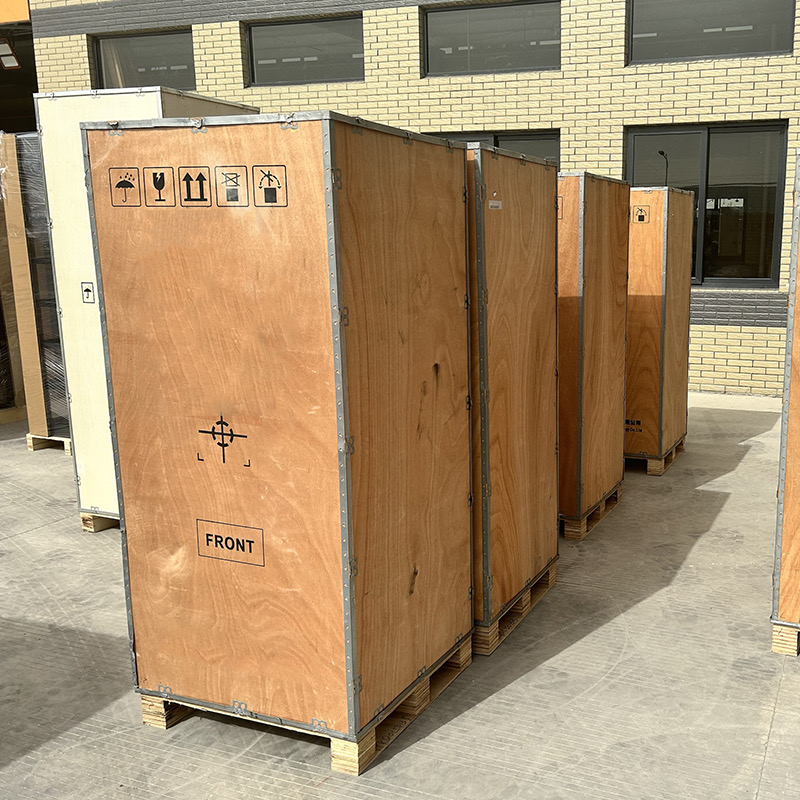
01 / Project information
Give the quotation a useful starting point.
Begin with the project location, intended application and operating goal. Explain whether the purchase is for a new system, an expansion or replacement equipment. Share existing models and drawings so interfaces can be checked before an order is agreed.
- Installation country, site address and preferred delivery point.
- Grid voltage, frequency, phases, connection capacity and supply reliability.
- Load list, daily operating pattern and available meter information.
- Required backup period and loads that need continuity.
- Available roof, land or equipment space, with photos and access conditions.
- Target project schedule, installation team and decision contacts.
If any information is unknown, mark it clearly. A proposal can state planning assumptions, but assumptions that affect safety, compatibility or output need resolution before the final design.
02 / Quotation boundary
Agree what is included and who provides it.
Use one equipment schedule for all quotations. Specify the selected models, quantities, included accessories, controls and protection. Identify local work separately: civil works, mounting, grounding, cables, switchboards and installation labour.
For an integrated system, ask for the architecture and compatibility confirmation. The offer should identify battery–inverter interfaces, monitoring functions, source control and the equipment needed for the intended operating modes.
Record the commercial details
Confirm currency, payment milestones, quotation validity, agreed delivery term and named place, lead time, warranty scope and exclusions. Agree how model substitutions or project changes will be approved.
Separate equipment price from freight, insurance, destination charges, duties, unloading and installation where they are not included. This gives your team a clearer total project budget.
03 / Destination & model evidence
Request documents for the exact order.
Review destination requirements with the local installer, utility, importer and customs adviser. Requirements depend on the product, installation and market. Confirm that each supplied certificate or test document covers the selected model and the claim it is being used to support.
- Final datasheets, equipment schedule and electrical drawings.
- Installation, operation and maintenance manuals.
- Relevant model-specific test evidence and destination approvals.
- Commercial invoice, packing list and agreed shipping documents.
- Transport classification and battery shipping documents, where applicable.
- Serial-number record, warranty terms and support contact details.
For lithium batteries, confirm applicable transport testing evidence, including availability of the UN 38.3 test summary, with the manufacturer and the chosen logistics provider. Packing, declarations and carrier acceptance must be checked for the actual transport mode and shipment configuration.
Transport reference: IATA lithium battery shipping guidance covers air transport. Use the applicable current requirements for your chosen route and transport mode.
04 / Delivery coordination
Plan receipt before dispatch.
Confirm packed dimensions, gross weights, package count, handling points and storage conditions. Check that the receiving site can unload and move the equipment safely. A crate arriving at the port and a cabinet ready at its foundation are different delivery boundaries.
Agree a shipping update process and a pre-dispatch document check. Verify the consignee, delivery address, import responsibilities and any route restrictions before booking freight. For staged projects, define which accessories and documents must travel with each shipment.
At receipt, check package count and condition, record visible damage and follow the carrier’s and supplier’s agreed reporting procedure. Retain packing photos and shipping records. Store the equipment according to the manufacturer’s requirements until installation.
05 / Installation & acceptance
Write the handover plan in advance.
Identify who installs, who commissions and who accepts the system. Confirm whether support is remote or on site and what the installer must prepare. Qualified site professionals should complete electrical work and follow local requirements and the selected equipment’s instructions.
- Installation drawings, settings and compatibility checks.
- Inspection of connections, protection, grounding and access clearances.
- Functional checks for the agreed operating modes and source transitions.
- Monitoring setup, alarm routing and access permissions.
- Operator training, emergency procedures and maintenance instructions.
- Acceptance record, outstanding items and responsibility for closing them.
Record a commissioning baseline. Keep the final settings, firmware details where relevant, serial numbers, test records and site photographs available for future support.
06 / Operation & service
Make support practical for the destination.
Clarify the first point of contact, the information needed for a fault report and the escalation route. Agree responsibility for site diagnosis, remote configuration, replacement parts, transport and local labour. Review the warranty’s conditions and exclusions before purchase.
For remote sites, discuss spare parts and the skills available locally. An after-sales plan should reflect access difficulty, business-critical loads and the time needed to move equipment across borders.
Keep one project file
Store the contract, datasheets, transport records, commissioning documents and support contacts together. Start with our downloadable project brief, then share the completed information through WhatsApp.
Ready for the next step
Send a brief.
Define the scope.
Share your country, application, equipment needs and delivery target. A clearer brief leads to a more useful quotation.