Commercial cabinets
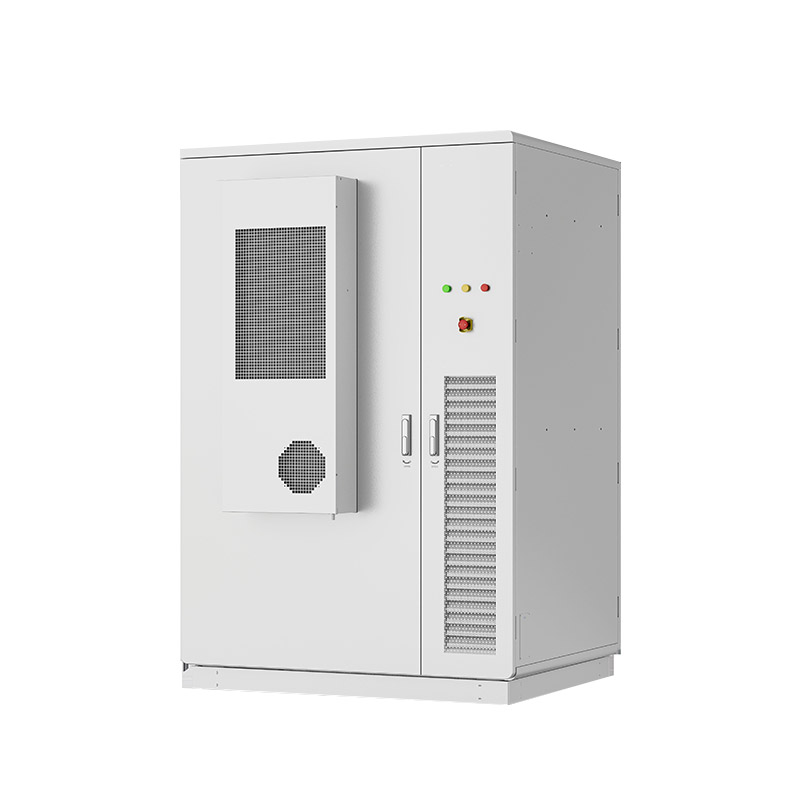
100 kW / 215 kWh Liquid-Cooled Storage Cabinet
MODEL REFERENCEHCESS1-100-215
- Rated AC power
- 100 kW
- Battery energy
- 215 kWh
- Cooling
- Liquid-cooled
HCESS1-100-215 supplier cabinet render; branding removed.
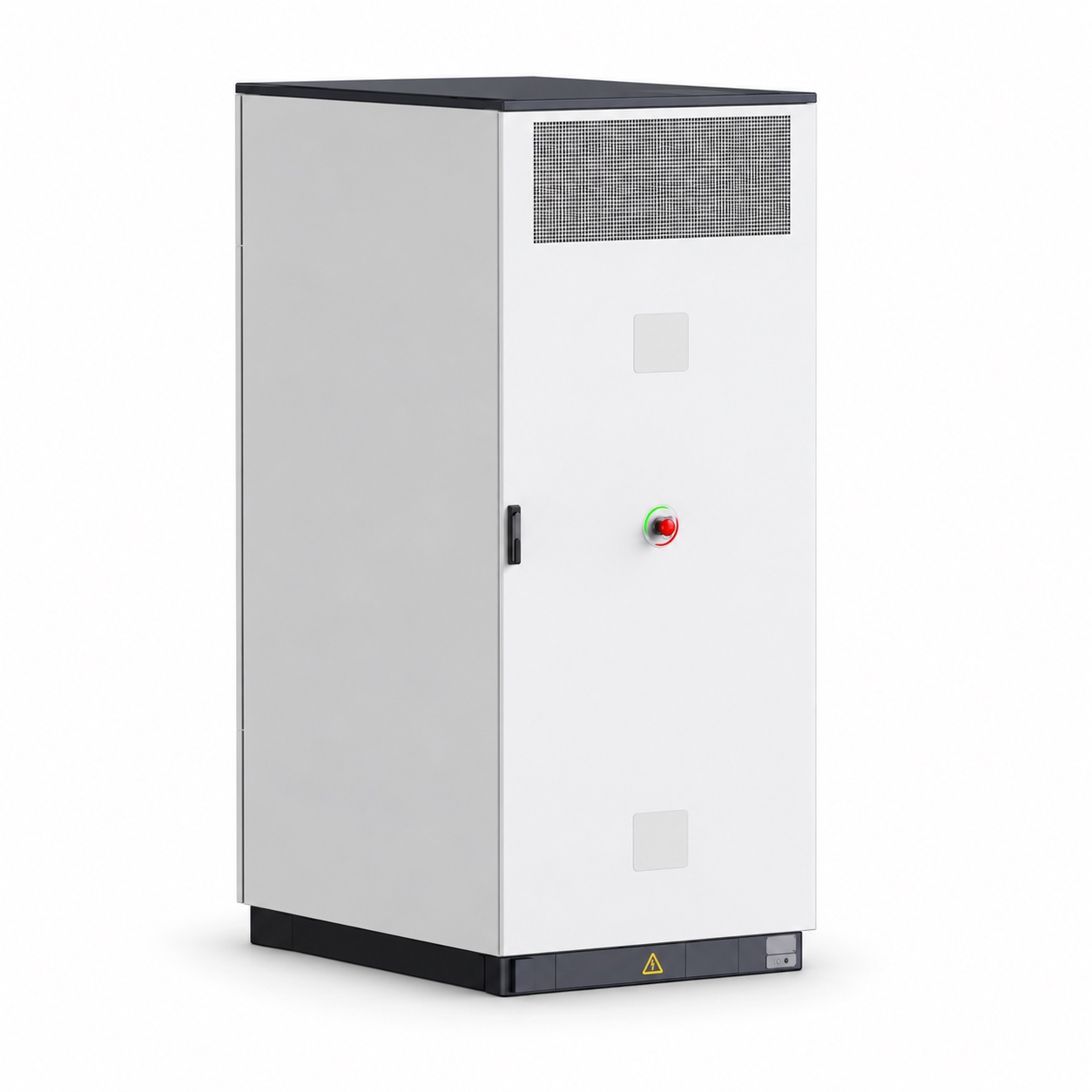
Supplier's 100 kW / 215 kWh air-cooled cabinet image.
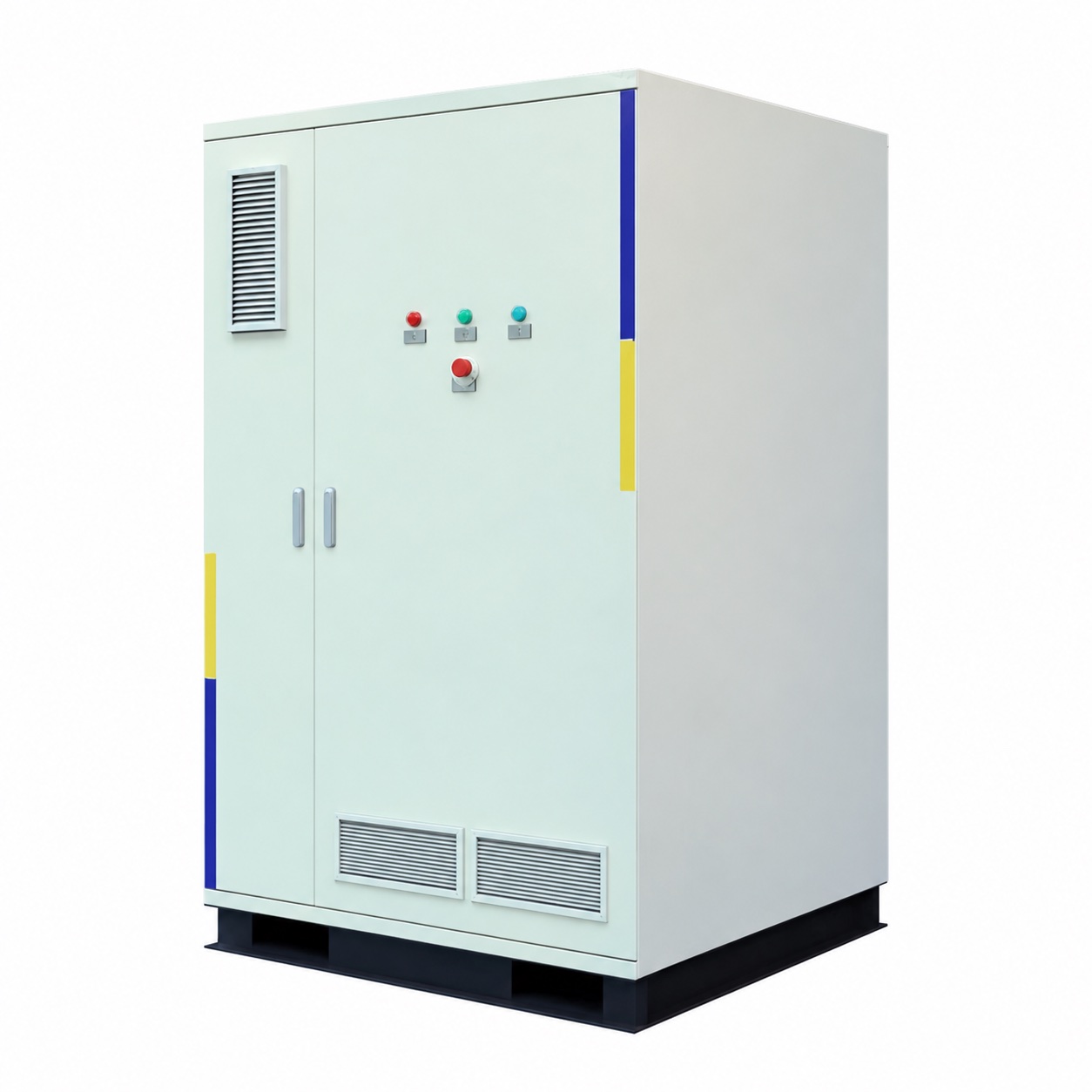
Supplier-reference photography. Confirm the final equipment appearance and included accessories with your quotation.
Technical reference 100 KW × 215 KWh Air-cooled Energy Storage Cabinet (supplier product family; no SKU published)
An air-cooled cabinet format for commercial and industrial energy storage. Its integrated battery enclosure supports larger energy requirements, with cloud monitoring described by the supplier for operational visibility and remote parameter management.
Configuration, availability, certification scope and commercial terms are confirmed at quotation.
Values below follow the referenced model or explicitly stated model family. Review the final datasheet, rated conditions and supply scope before procurement.
Run Strategy 100 kW × 215 kWh air-cooled cabinet specification
Reference model: 100 KW × 215 KWh Air-cooled Energy Storage Cabinet (supplier product family; no SKU published)
Reviewed: 2026-10-15
No separate manufacturer SKU is published on the source page. Photo is the actual unbranded image from that product page, without generative changes. Backup operation requires confirmation of the PCS, transfer equipment and supported loads; this catalog does not claim seamless backup or a guaranteed runtime.
| Rated output power | 100 kW |
|---|---|
| Battery energy | 215 kWh |
| Cell rating | 3.2 V / 280 Ah |
| Battery configuration | 1P240S |
| Rated DC voltage | 768 V DC |
| Rated grid voltage | 230 / 400 V AC |
| Grid connection | 3P + N + PE |
| Maximum charge / discharge current | 176 A |
| Cooling | Air cooling |
| Ingress protection | IP54 |
| Dimensions (W × D × H) | 1,450 × 1,380 × 2,260 mm |
| Weight | 2,500 kg |
Published reference values are not a substitute for the final selected-model datasheet and project design.
The complete system must account for site loads, electrical interfaces, environmental limits and local installation requirements.
Explore the planning guideShare your country, quantity, electrical requirements, installation environment and delivery plan. Ask for the final datasheet and supply scope for this reference.